


Prayer, fasting and almsgiving is not the first thing that comes to mind when thinking of weddings and marriage. The season of Lent seems incongruent with the feasting, celebrating and great joy that your wedding and beginning of marriage should be. But looking beyond face value, these things are more connected than they seem. Viewing LENT AS A PREPARATION OF MARRIAGE allows us to better ourselves for marriage.
A Guest Blog by Madeline Larson
Lent is a penitential and preparational season for the death and resurrection of Christ. It is an invitation from the Church to take a look at your priorities and reorient your life to what is most important. The practices of prayer, fasting, and almsgiving are meant to strip our lives down and get rid of the self-destructive habits that we all carry so that we can welcome the joy of life in Christ. We must all walk through the suffering and struggle to be aware of and never take for granted the great gift of life and joy.
Engagement is a period of preparation, just the same as Lent. This time can be used not just planning for your wedding day, but getting ready to be married for a lifetime. We prepare for important things in our lives in order to do the best that we can and marriage should be just the same. When you prepare intentionally for marriage it allows you to enter into your wedding day confident and even more joyful knowing that you have done the best you can to start your marriage strong.
Marriage itself can also be seen as a type of Lent and preparation, but this time for eternal life. As spouses your vocation is to get the other to heaven. It is a lot of work to be sanctified and constantly requires a reordering of priorities, letting go of bad habits and taking up what will make you holier. This does not take away from the joy and celebration of your wedding day. If anything it makes it that much sweeter, knowing you have done what you can and can accept the goodness and grace that the Lord has to give.
LENT AS A PREPARATION OF MARRIAGE: Prayer
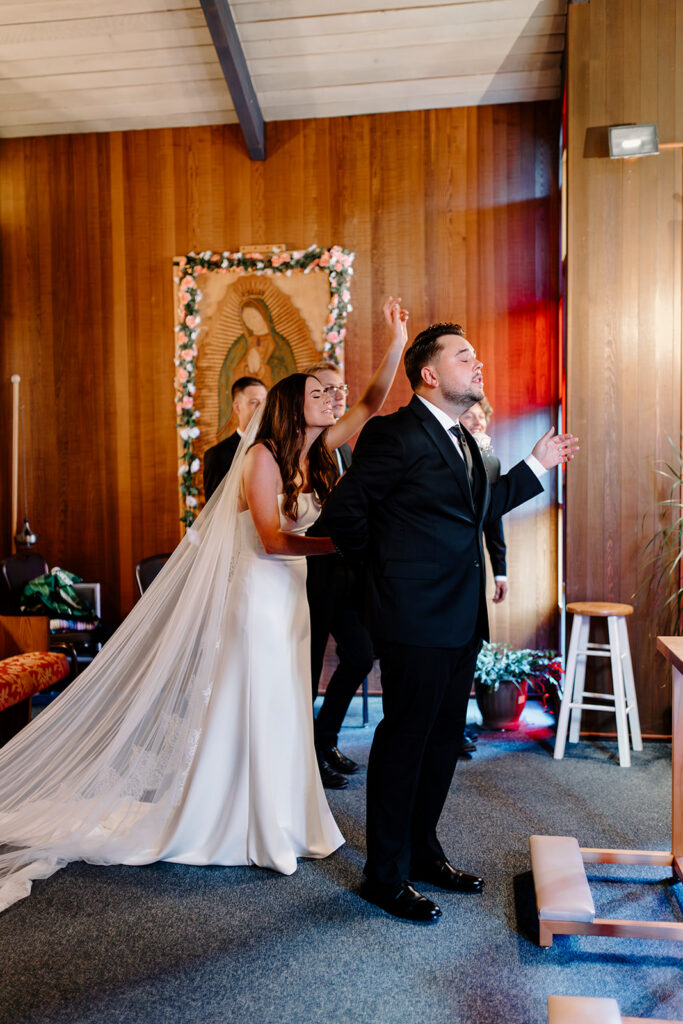
Prayer is a vital part of any Lenten practice, engagement, and marriage. During Lent we should increase our prayer in order to become closer to the Lord. It is a time to recommit to our prayer practices and pick up new practices that allow us to contemplate the life of Jesus Christ. Prayer during engagement can be a time of praying for our future spouse, asking to become a holier person to be a better spouse, and keep the Lord at the center of the wedding planning process. It is also an opportunity to pray and discern what you desire your wedding day to look, feel, and be like.
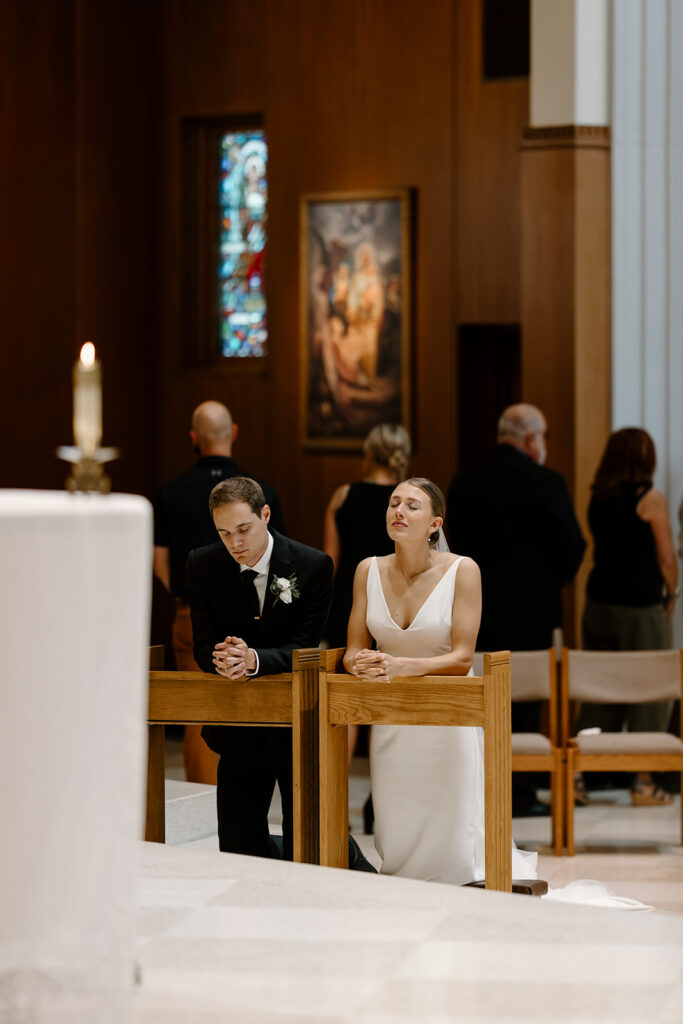
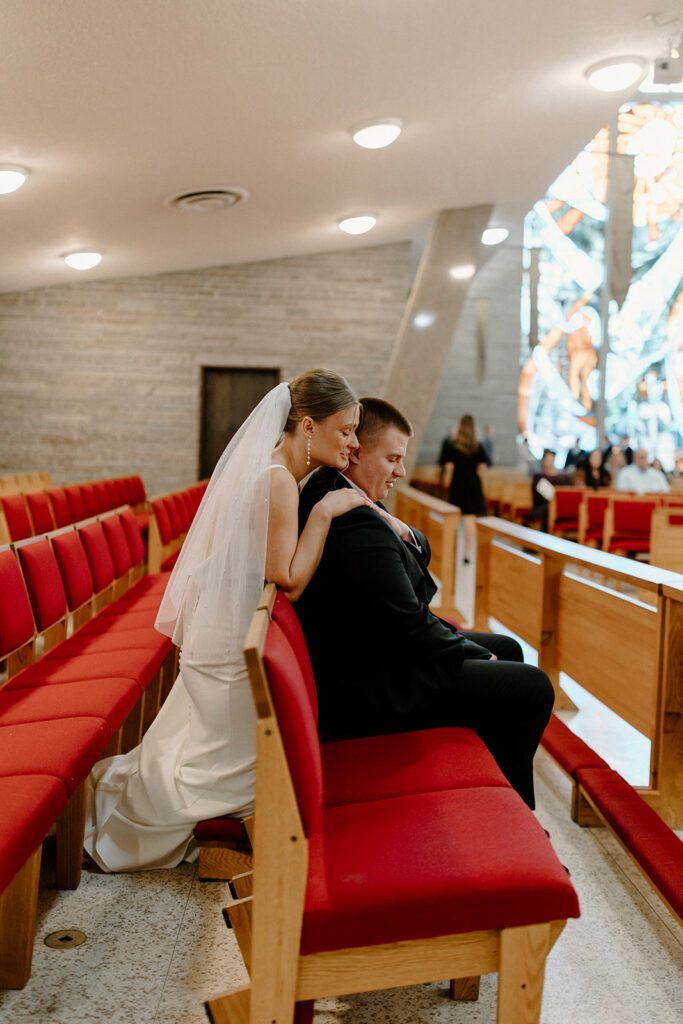
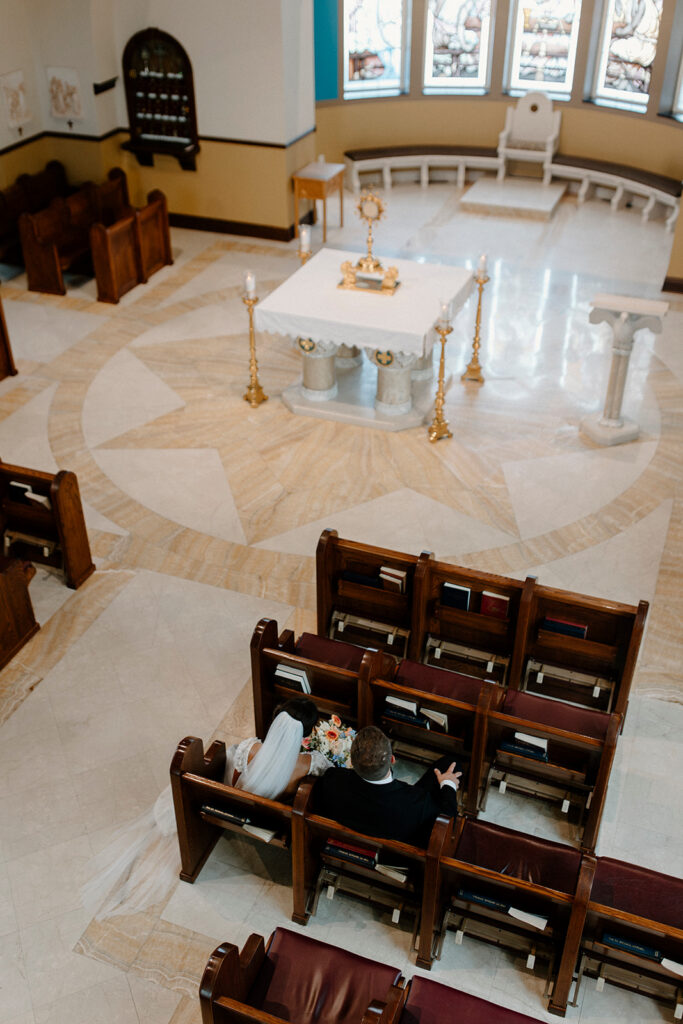
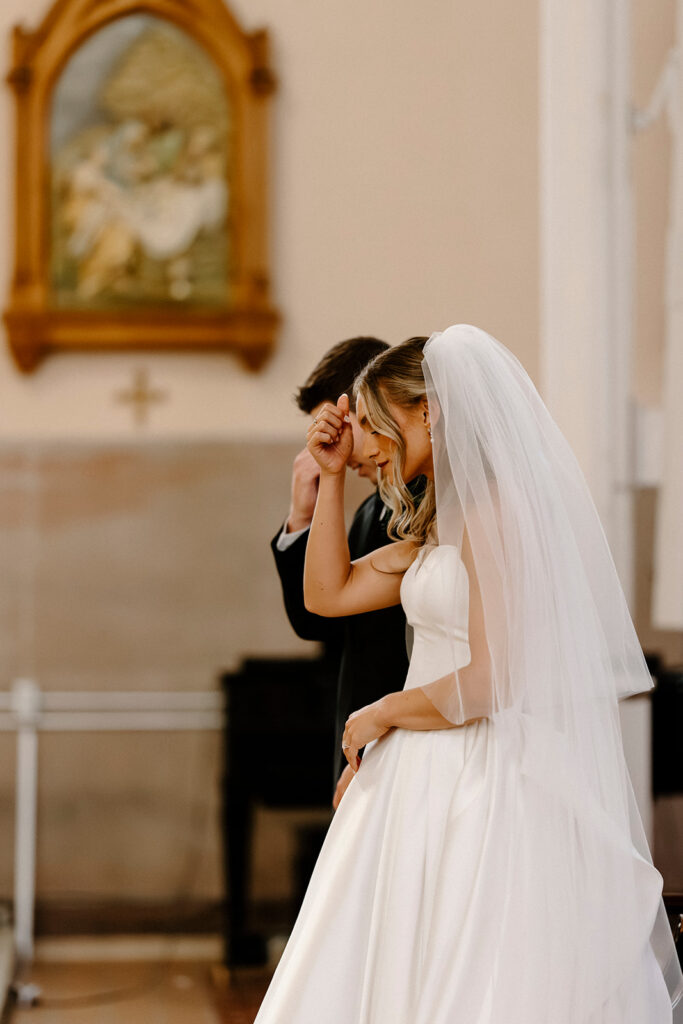
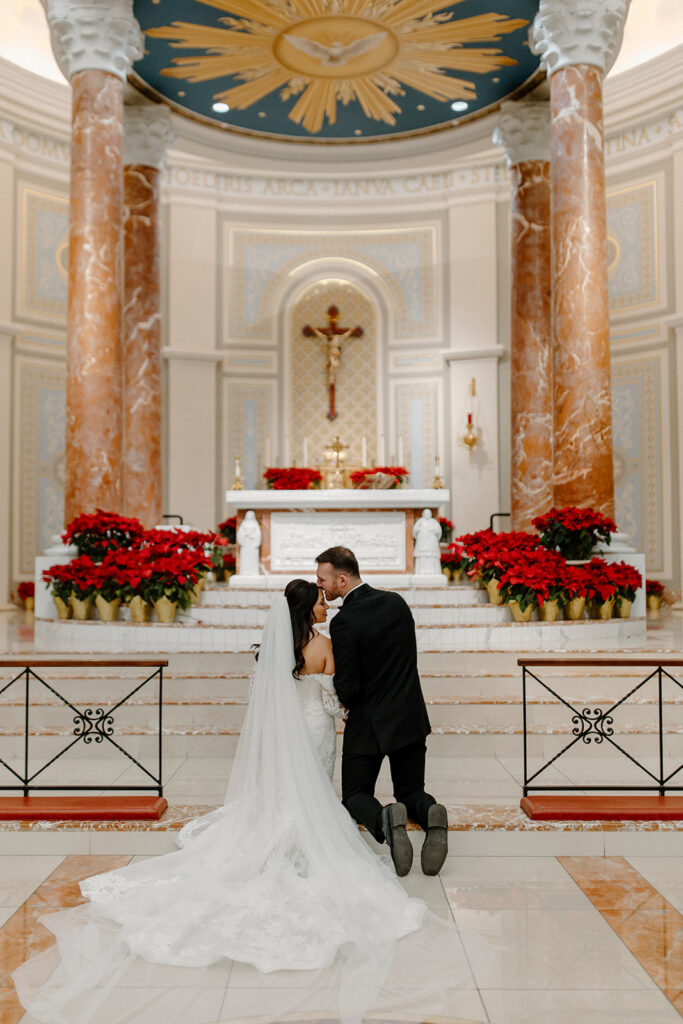
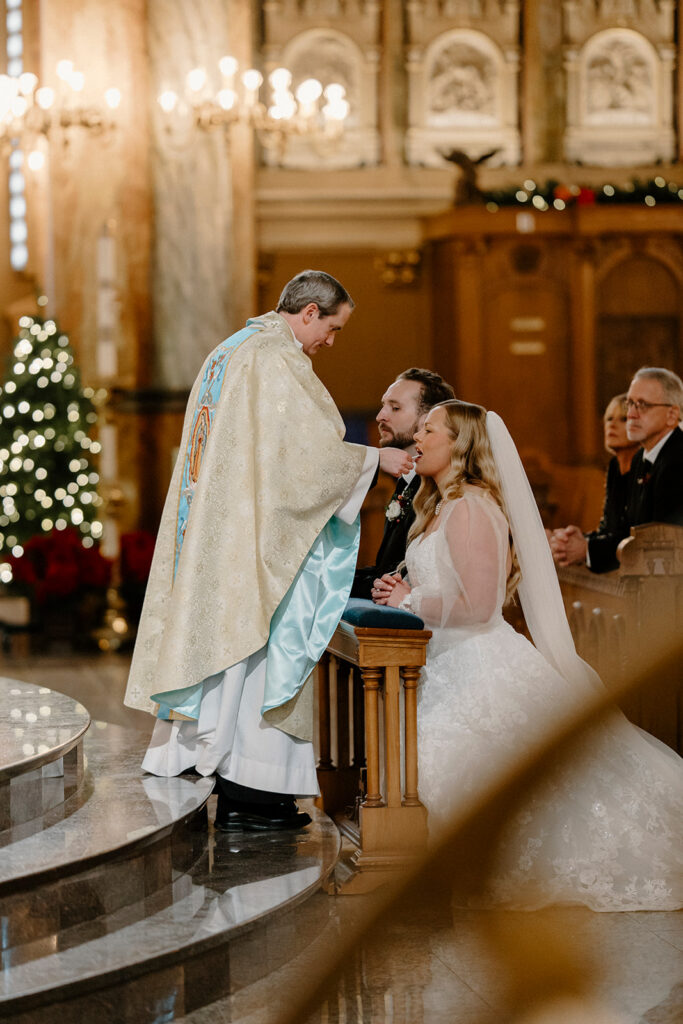
Prayer should be a central part of your wedding day. The Lord gave us the gift of marriage as a sacrament and we should praise him for it. Marriage is the visible sign of Christ’s selfless and unbreakable love for the Church. It is more than a contract, it is a covenant, a relationship that points to something beyond the union itself. Having a solid foundation of prayer where you go to the Lord alone and together as a new family will only help you access the graces that the Lord wishes to pour out upon you. This post mentions how to include prayer during your wedding day.
Prayer practices for engagement and marriage:
-Pray the Liturgy of the Hours
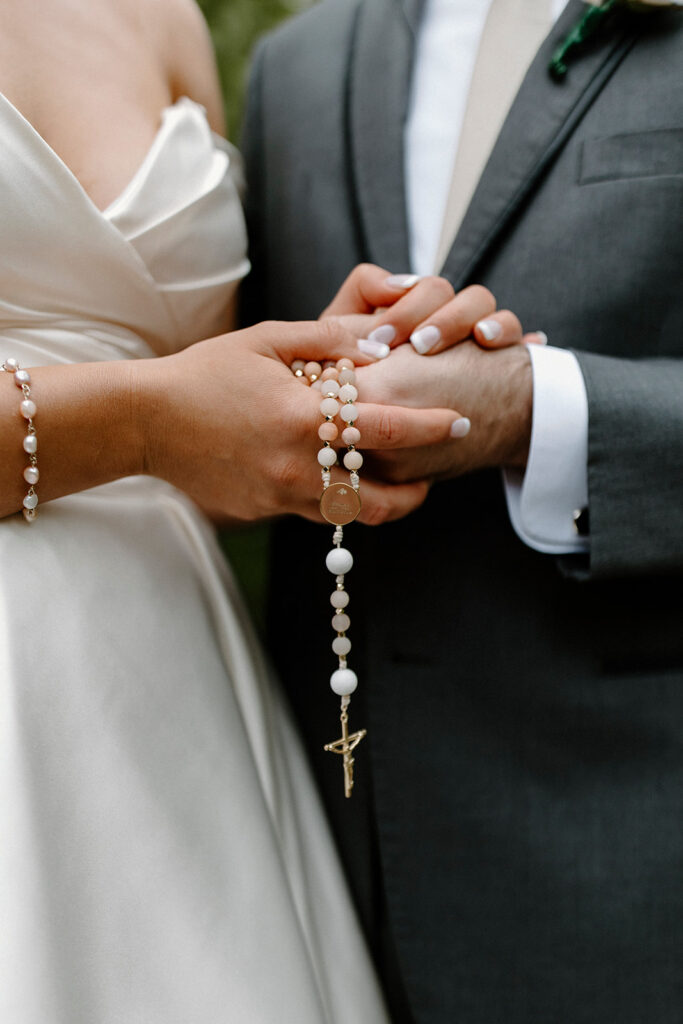
-Pray the rosary
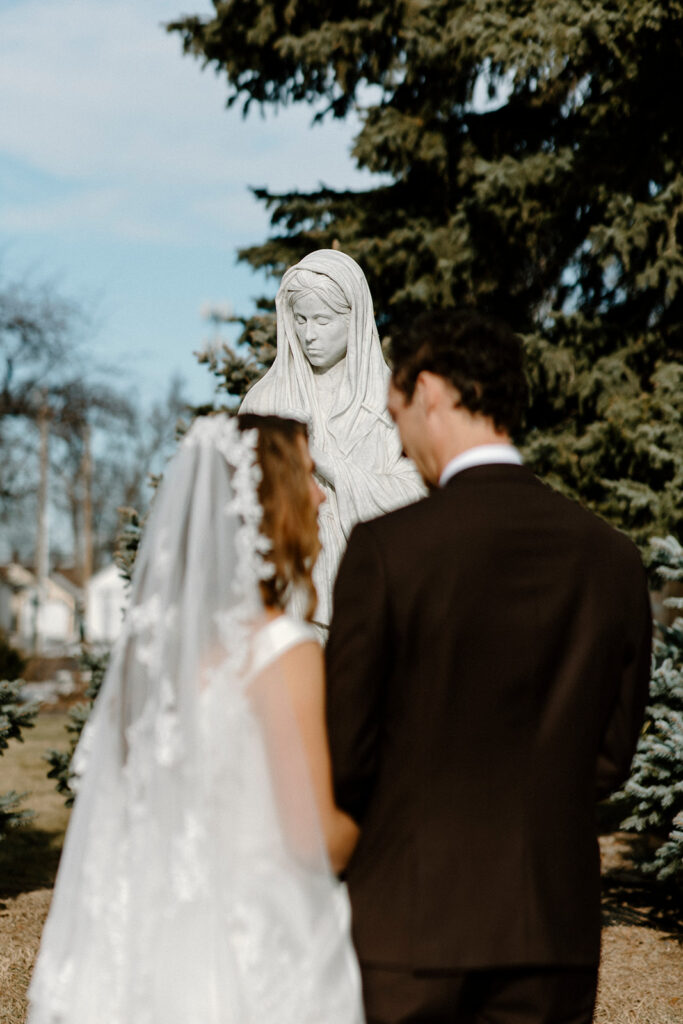
-Choose patron saints to be special intercessors and friends for your marriage
-Frequent the sacrament of penance together
-Do a regular examination of conscience
-Hold one another accountable to daily prayer and virtuous goals
-Attend mass together and have priests offer masses for your marriage
-Listen to worship music together
LENT AS A PREPARATION OF MARRIAGE: Fasting
Fasting is what usually comes to mind when we think of Lent, where we give up a whole list of things such as chocolate, social media, or alcohol. This practice is about more than just giving up things we enjoy, it is denying ourselves of things so that we have more room for the Lord. It is a good practice that with everything we give up, we have a plan of what to replace it with whether that be more prayer, simpler foods, or other positive habits. Fasting with a specific intention, such as a happy marriage or holiness of your spouse, can help make these practices easier and feel worthwhile when it gets increasingly hard. Fasting allows us to have control over our body, so that our spirit can rightfully lead us in the right relationship with the Lord.
A wonderful example is from a groom decided to fast from chocolate for his future bride – until his actual wedding day. A way of growing his heart by detachment and as a powerful prayer. Ten years later, enter his wife whose favorite food was chocolate! At their wedding, they had a chocolate fountain as their dessert, and it was about as sweet as you can imagine. There will be several opportunities to continue to deny yourself of good things for the greater good, especially after your wedding day. Fasting in preparation will allow future denials of self for your spouse and children in marriage to be one of selflessness and joy, not frustration and anger. Jesus shows us himself the importance of sacrifice each mass, where His body and blood are given for the betterment of His bride, the Church.
Fasting practices for your engagement and marriage
-Fast from meat every Friday, as Catholics traditionally did
-Fast from food or drinks that you consume frequently
-Fast from your phone when you are with others, replace with connection and intention
-Fast from negative self-talk, replace with positive and uplifting words
-Fast from sleeping in, replace with waking up early and right away at your alarm
-Fast from your preferences, replace with letting others have first choice
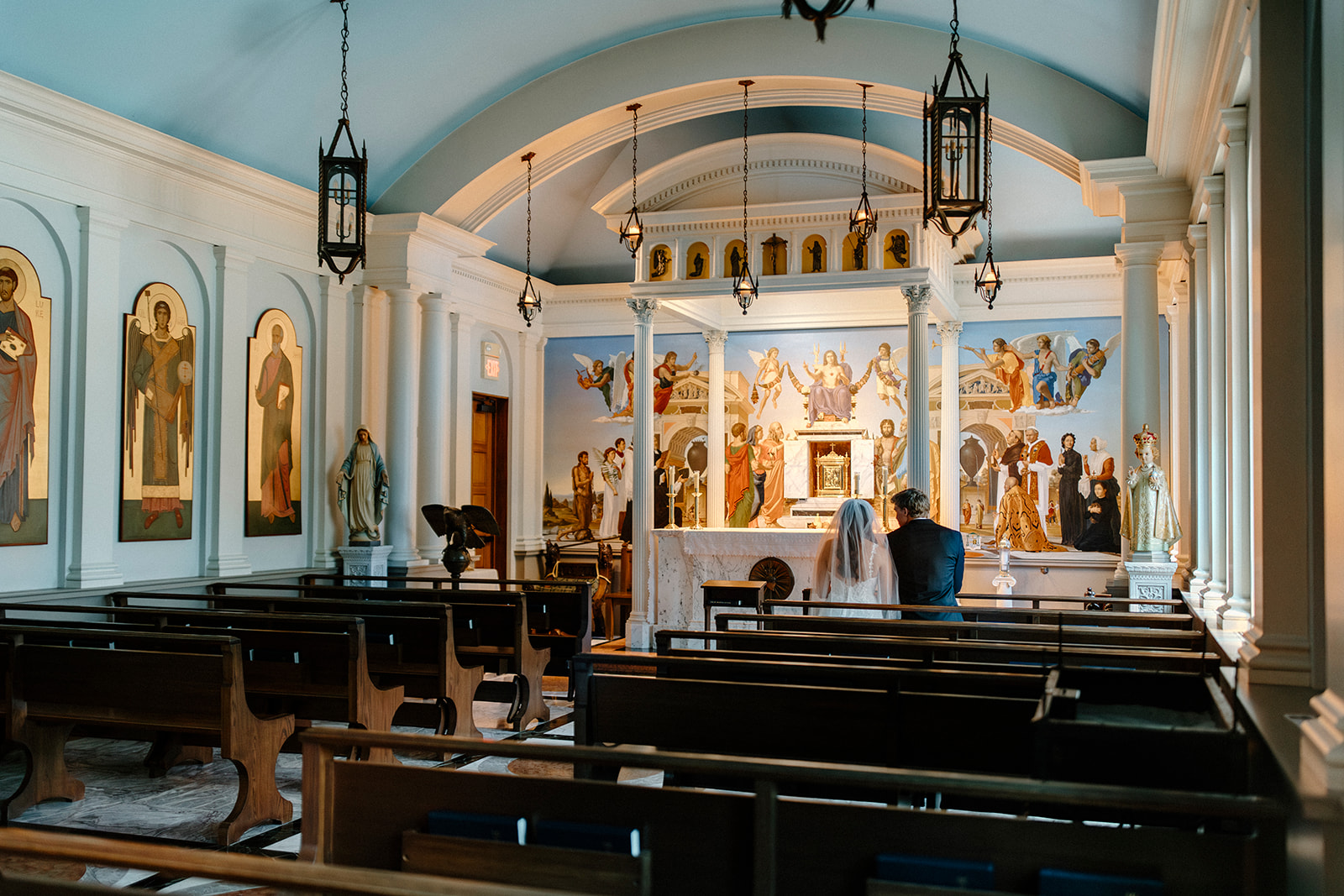
LENT AS A PREPARATION OF MARRIAGE: Almsgiving
Almsgiving in its very nature requires both prayer and fasting. Charitable giving should never come from just our excess but should involve a sacrifice. It is an opportunity to give to others and God our best instead of saving it for ourselves. Oftentimes we hear that almsgiving can be a gift of our time, talent and treasures. We all are called to give generously and can even when we are not financially able. God gave us talents and a call that only we individually respond to, nobody else!
Charity and almsgiving begins at home, in our time spent with the Lord and dedication to our spouse and family life. If we are not generous with those closest to us, how can we fulfill the Christian call to care for the whole world? Spouses must help one another recognize their talents, time, and treasures that can be given to others to care for the whole body of Christ.
Almsgiving practices for your engagement and marriage
-Budget generously to pay stipends for the church, priest, musicians, and others involved in the ceremony
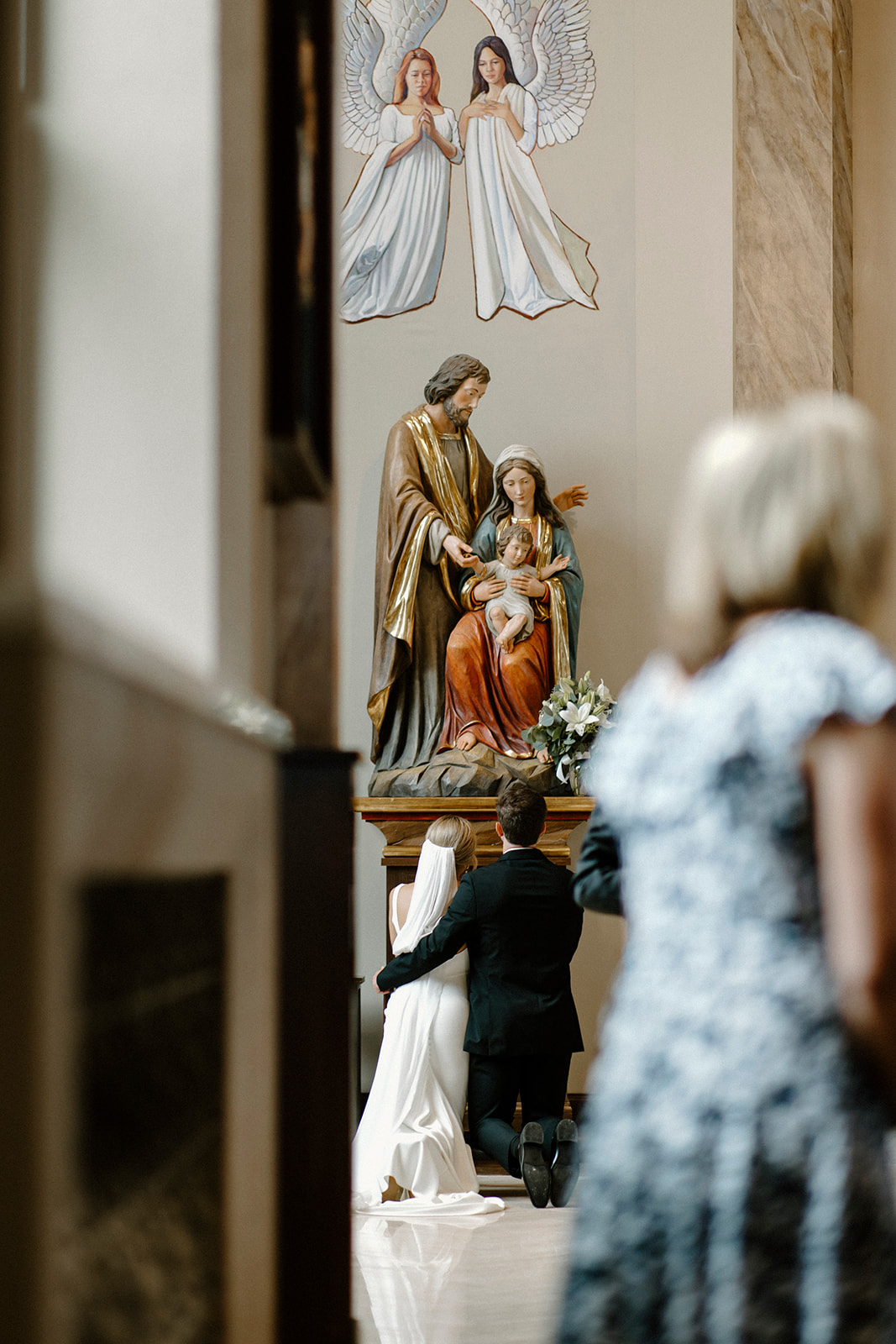
-Set flowers on the Mary and Joseph altars during the wedding ceremony
-Volunteer time together as an engaged and married couple to serve the poor and needy
-Budget generously as a newly married couple to the Church and apostolates
-Learn each others charisms and discuss how they can be used to serve the Church